
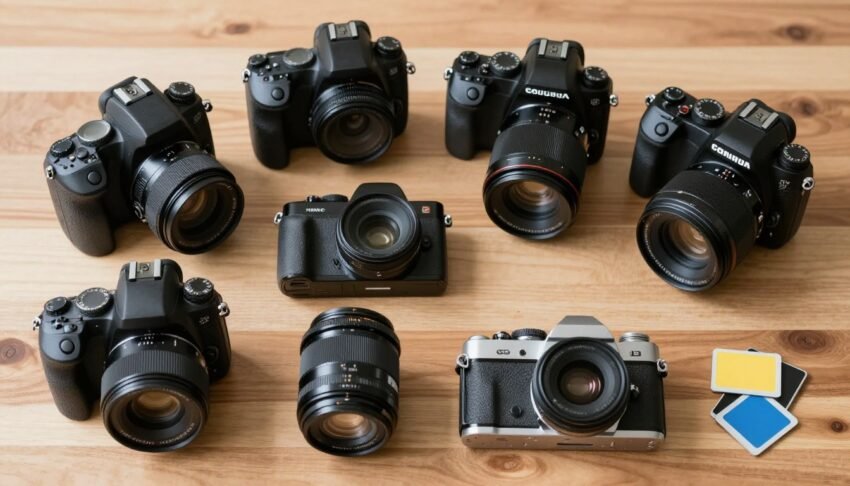
Try our free Camera Finder Tool
Understanding Different Types of Cameras
The first step in choosing a photo camera is understanding the different types available and their unique advantages. Each camera type serves different needs, skill levels, and photography styles.
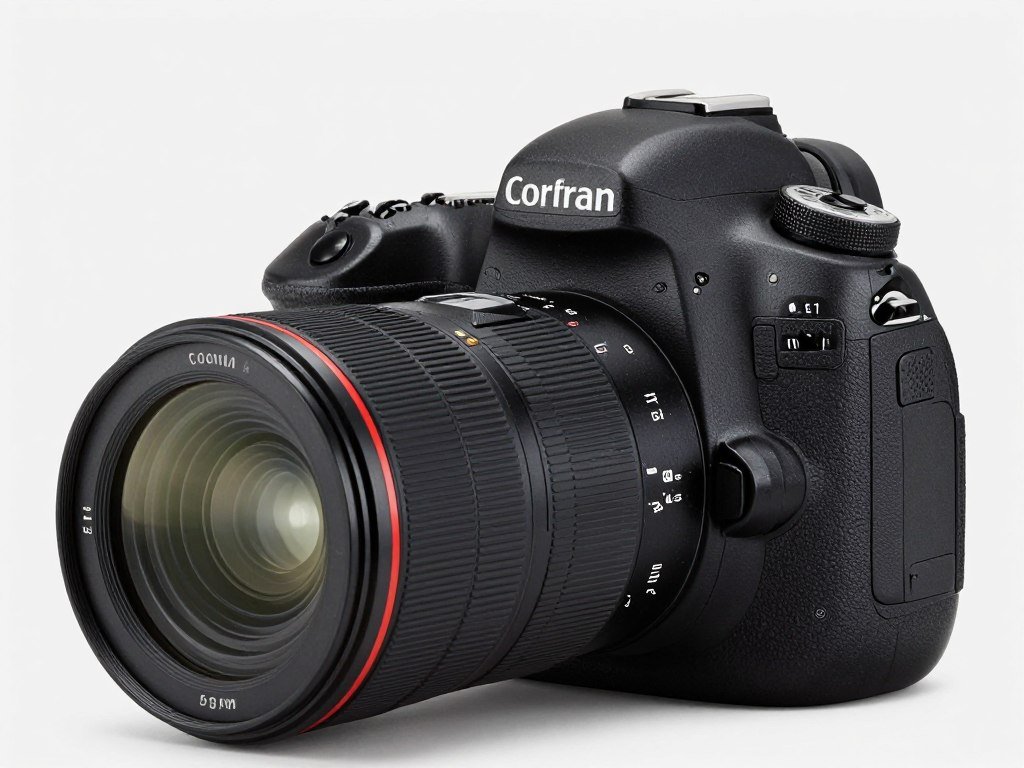
DSLR Cameras
Digital Single-Lens Reflex (DSLR) cameras use a mirror mechanism to direct light from the lens to an optical viewfinder. When you press the shutter, the mirror flips up, allowing light to hit the image sensor.
Pros: Excellent image quality, interchangeable lenses, optical viewfinder, long battery life, extensive lens options.
Cons: Bulkier and heavier, more complex for beginners, can be noisy.
Best for: Serious enthusiasts, professionals, sports and wildlife photography.
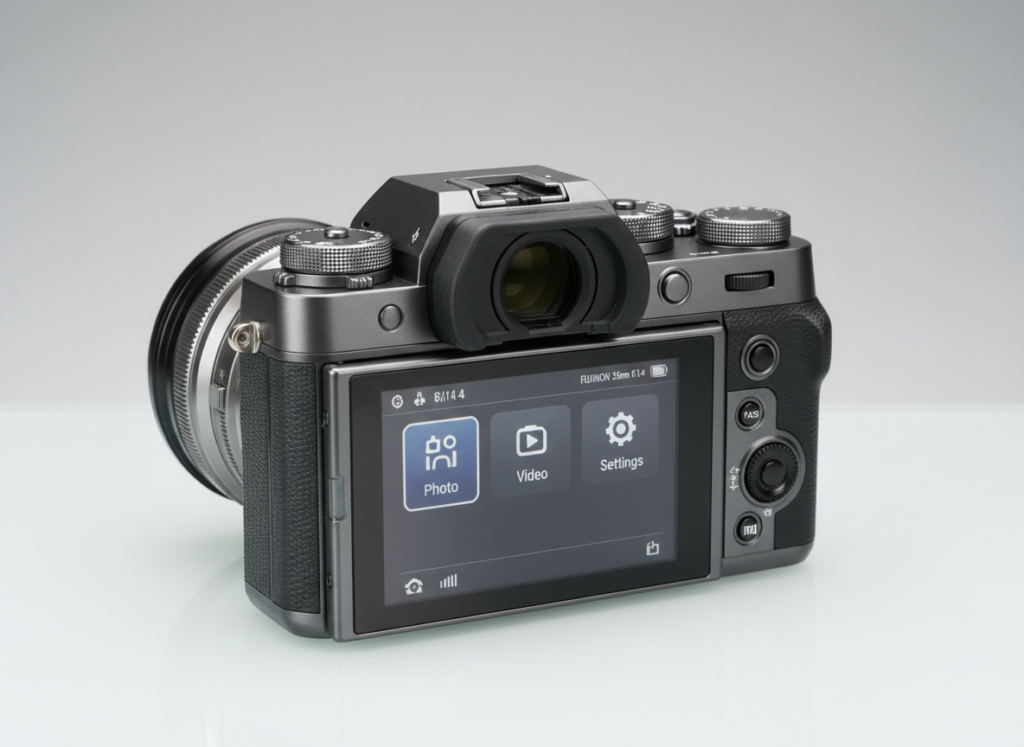
Mirrorless Cameras
Mirrorless cameras eliminate the mirror mechanism found in DSLRs, allowing for a more compact design. They use electronic viewfinders or LCD screens to preview images.
Pros: Compact and lightweight, silent operation, excellent video capabilities, what-you-see-is-what-you-get preview.
Cons: Shorter battery life, fewer native lens options (though improving), electronic viewfinders may lag in low light.
Best for: Travel photography, videography, street photography, those valuing portability.
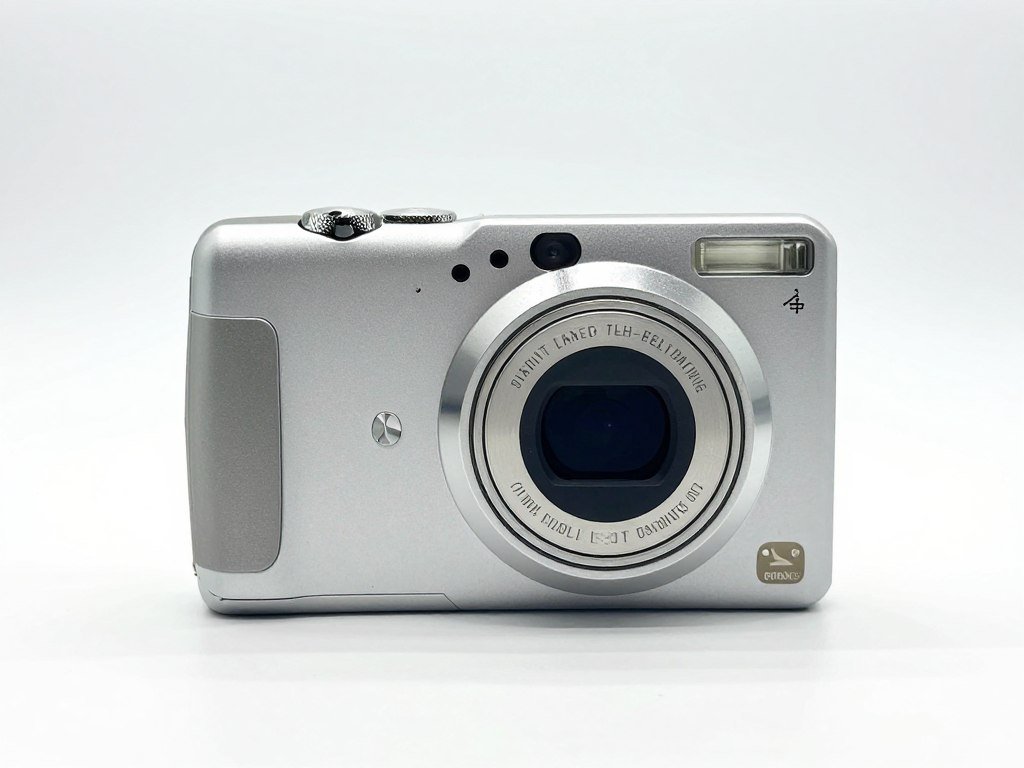
Compact/Point-and-Shoot Cameras
Compact cameras offer simplicity with fixed lenses and automatic settings. Modern advanced compacts pack impressive features into pocket-sized bodies.
Pros: Highly portable, easy to use, affordable options available, all-in-one solution.
Cons: Limited manual controls (in basic models), smaller sensors affect image quality, fixed lens.
Best for: Casual photographers, beginners, travel, everyday use.
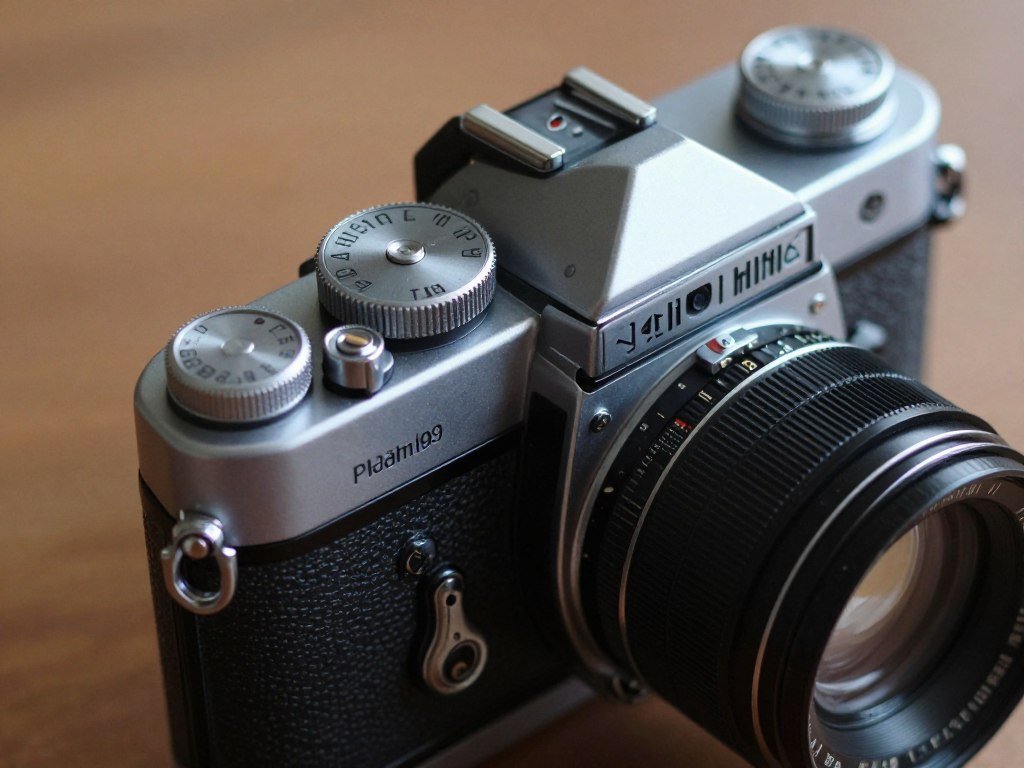
Film Cameras
Despite the digital revolution, film cameras remain popular for their unique aesthetic and tactile experience. They use light-sensitive film instead of digital sensors.
Pros: Distinctive look, forces deliberate shooting, no battery needed for many models, potential investment value.
Cons: Ongoing film and development costs, delayed feedback, limited shots per roll.
Best for: Art photography, hobbyists, those seeking a unique aesthetic or analog experience.
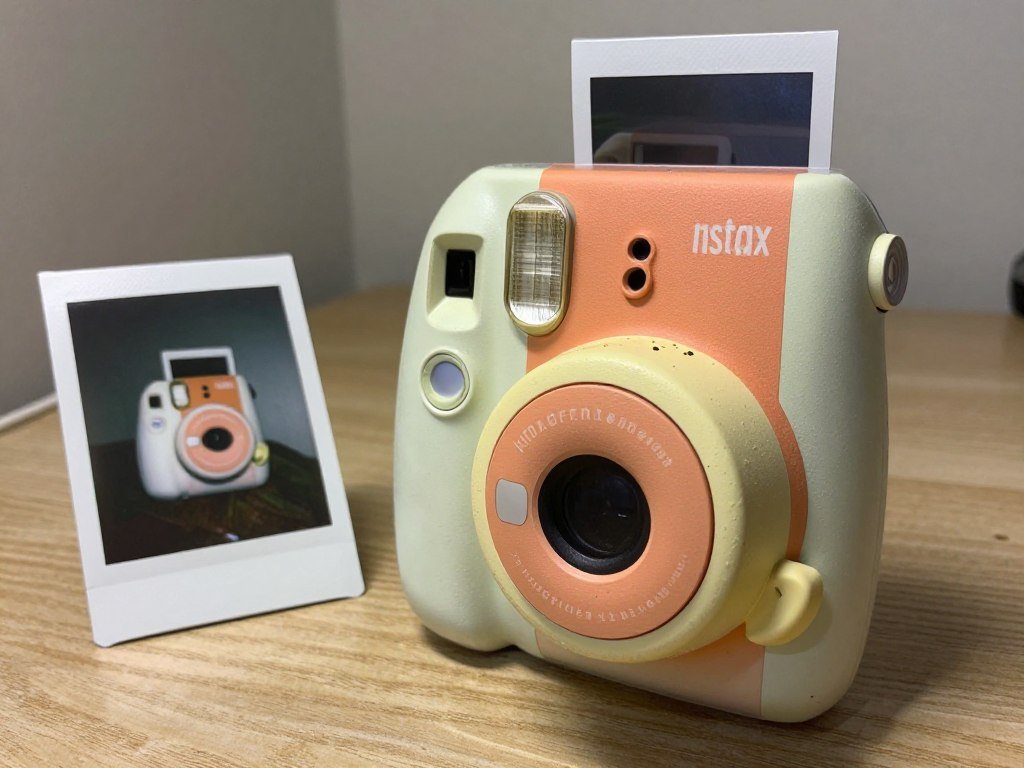
Instant Cameras
Instant cameras produce physical prints moments after taking a photo. Modern instant cameras combine digital features with the charm of immediate physical photos.
Pros: Immediate physical prints, fun factor, no need for separate printing, great for social events.
Cons: Film can be expensive, limited control over image quality, basic features.
Best for: Parties, scrapbooking, casual fun photography, gifts.
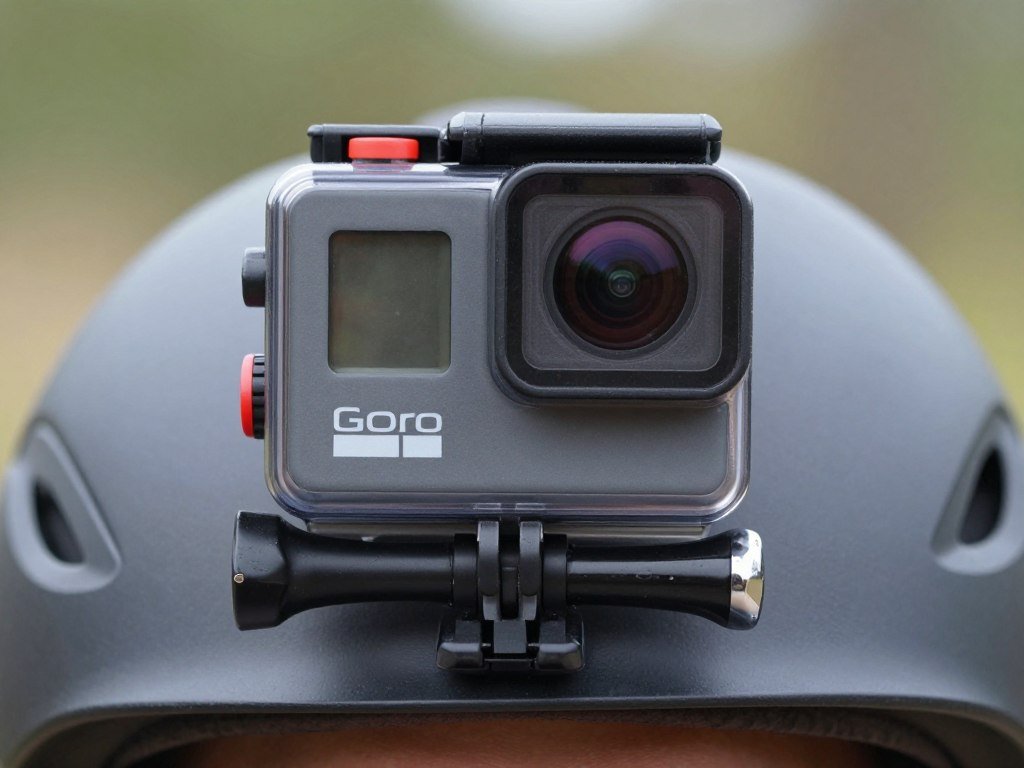
Action Cameras
Designed for durability and hands-free operation, action cameras capture adventures in challenging environments where traditional cameras wouldn’t survive.
Pros: Extremely durable, waterproof, compact, wide-angle lens, stabilization, mounting options.
Cons: Limited zoom, smaller sensors, specialized use case.
Best for: Sports, underwater photography, adventure travel, POV video.
Not Sure Which Camera Type Is Right For You?
Take a look at our recommended camera picks based on different needs, budgets, and photography styles.
Key Camera Specifications Explained
Understanding camera specifications is crucial for making an informed decision. Here are the most important technical aspects to consider:
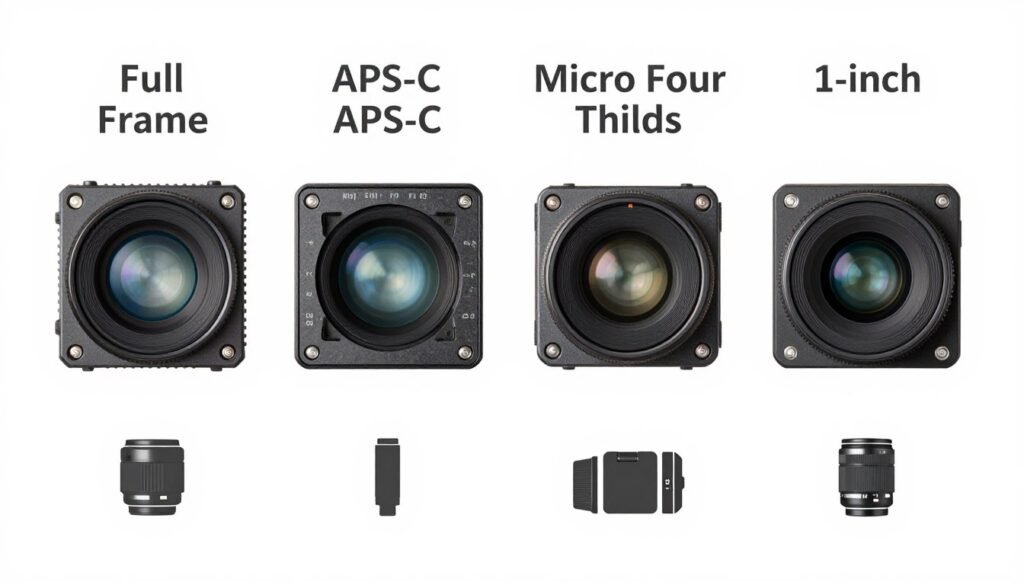
Sensor Size and Type
The sensor is the digital equivalent of film, capturing light to create an image. Larger sensors generally produce better image quality, especially in low light.
| Sensor Type | Size (approx.) | Common In | Advantages |
| Full Frame | 36 × 24mm | Professional DSLRs and mirrorless cameras | Superior low-light performance, shallow depth of field, wider dynamic range |
| APS-C | ~23 × 15mm | Consumer and enthusiast cameras | Good balance of quality and price, lighter lenses |
| Micro Four Thirds | 17.3 × 13mm | Olympus and Panasonic mirrorless | Compact size, lightweight system, extensive lens options |
| 1-inch | 13.2 × 8.8mm | Advanced compact cameras | Better than smartphone quality in a compact body |
Megapixels
Megapixels (MP) refer to the number of pixels that make up an image (1 megapixel = 1 million pixels). While higher numbers can allow for larger prints and more cropping flexibility, megapixels aren’t everything.
Most modern cameras have more than enough megapixels for typical uses. A 16-24MP camera is sufficient for most photographers. Factors like sensor size and lens quality often impact image quality more than megapixel count.
ISO Range
ISO measures the camera’s sensitivity to light. A wider ISO range allows for better performance in various lighting conditions, especially in low light without a flash.
- Lower ISO (100-200): Best image quality, requires good lighting
- Medium ISO (400-1600): Good balance for indoor/outdoor situations
- Higher ISO (3200+): Enables shooting in low light, but may introduce noise
Autofocus System
The autofocus (AF) system determines how quickly and accurately your camera can focus. Consider:
Number of AF Points
More AF points provide greater coverage across the frame and flexibility in composition. Advanced cameras may have 50-100+ points.
AF Types
Phase-detection AF is typically faster, while contrast-detection AF can be more accurate in certain situations. Many modern cameras combine both.
Subject Tracking
Important for moving subjects like sports, wildlife, or active children. Look for eye/face detection for portrait photography.
Low-Light Performance
Some AF systems struggle in dim conditions. Check reviews for real-world low-light focusing ability.
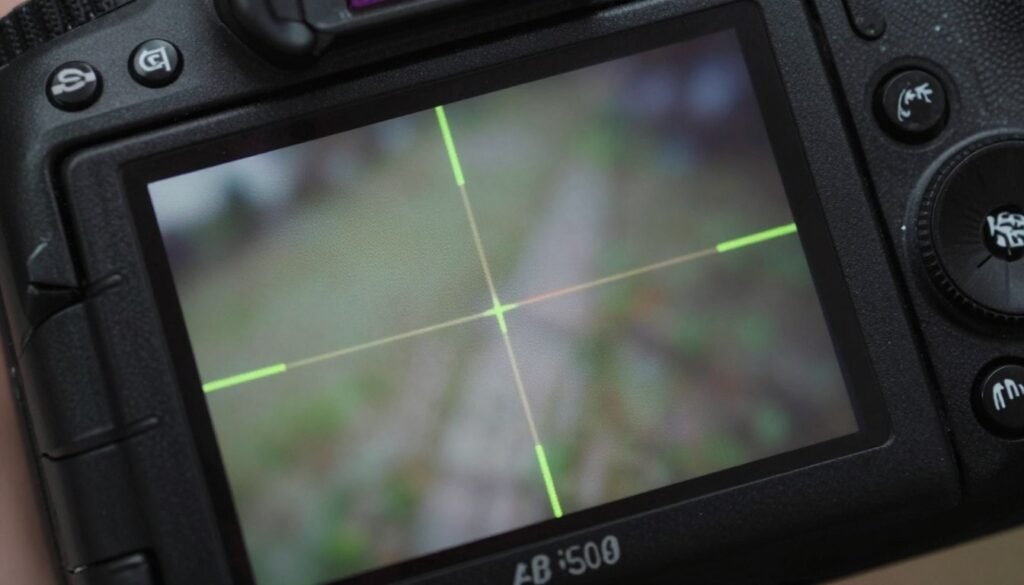
Image Stabilization
Image stabilization helps reduce blur from camera shake, especially important in low light or when using telephoto lenses.
In-Body Image Stabilization (IBIS)
The sensor itself moves to compensate for camera shake. Works with any lens attached to the camera.
Optical Image Stabilization (OIS)
Elements inside the lens move to compensate for shake. Only works with lenses that have this feature built-in.
Video Capabilities
If you’re interested in video, consider these specifications:
- Resolution: 4K is now standard on many cameras, with some offering 6K or even 8K
- Frame rates: Higher frame rates (60fps, 120fps) allow for smooth slow-motion
- Bit depth: 10-bit recording offers more flexibility in editing than 8-bit
- Recording limits: Some cameras have 30-minute limits for continuous recording
Understanding Lens Options and Compatibility
For interchangeable lens cameras (DSLRs and mirrorless), lens selection is crucial and can significantly impact your photography more than the camera body itself.
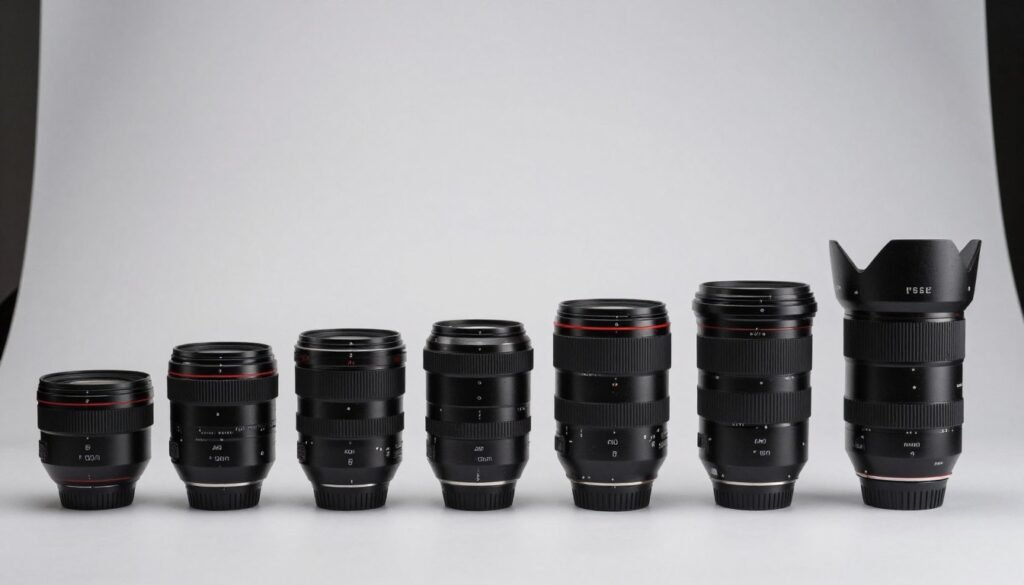
Lens Types and Their Uses
| Lens Type | Focal Length Range | Best For |
| Wide-Angle | 10-35mm | Landscapes, architecture, interior spaces, environmental portraits |
| Standard/Normal | 35-70mm | Everyday photography, street photography, environmental portraits |
| Telephoto | 70-300mm+ | Wildlife, sports, portraits with compressed background |
| Macro | Various (50-200mm common) | Close-up photography of small subjects (insects, flowers, details) |
| Prime (Fixed) | Single focal length | Superior image quality, low-light performance, portraits |
| Zoom | Variable range | Versatility, travel, events where changing lenses is impractical |
Understanding Aperture
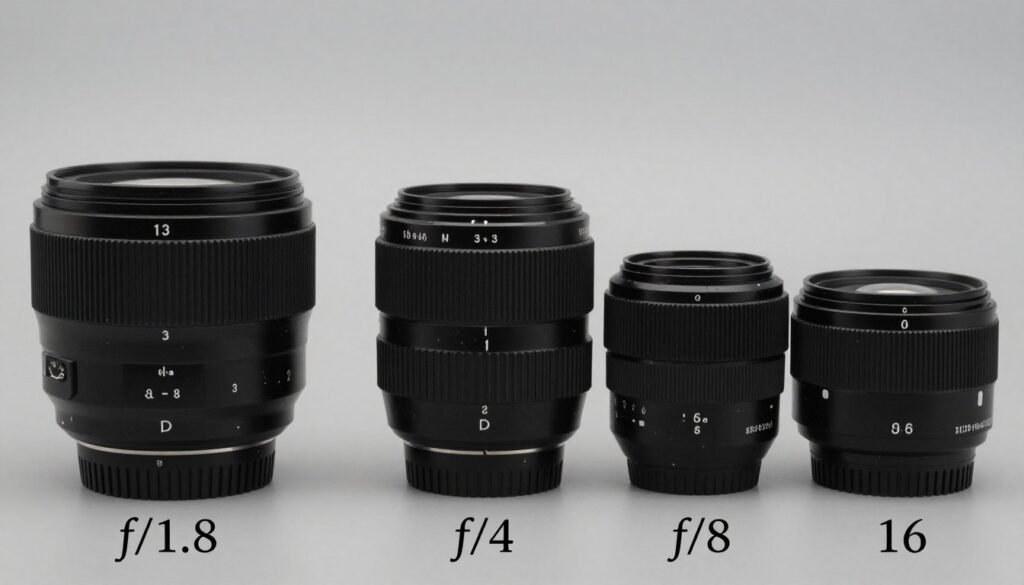
Aperture (f-stop) controls light entry and depth of field. Lower f-numbers (f/1.8, f/2.8) allow more light and create a shallower depth of field (blurred backgrounds), while higher numbers (f/8, f/16) keep more of the scene in focus.
Lens Mount Compatibility
Different camera brands use different lens mounts. When investing in a camera system, consider:
- Native lens selection: How many lenses are available specifically for your camera?
- Third-party options: Do manufacturers like Sigma, Tamron, or Tokina make lenses for your mount?
- Adapter availability: Can you use lenses from other systems with adapters? (Note that adapted lenses may have limited functionality)
- Future roadmap: Is the manufacturer actively developing new lenses for this mount?
When starting out, consider a versatile zoom lens like a 24-70mm or 18-55mm kit lens, which covers most everyday situations. As you develop your style, you can add specialized lenses.
Budget Considerations and Value for Money
Cameras range from under $100 to well over $5,000. Understanding where to invest your money is key to getting the best value.
Camera Budget Tiers
Entry-Level ($300-$700)
- Basic DSLRs and mirrorless cameras
- Advanced point-and-shoots
- Good for beginners learning photography
- Usually includes kit lens
- Examples: Canon Rebel series, Nikon D3500, Sony a6000 series
Mid-Range ($700-$1,500)
- Enthusiast-level DSLRs and mirrorless
- Better build quality and weather sealing
- Improved sensors and autofocus
- More customization options
- Examples: Canon 90D, Nikon Z50, Sony a6600, Fujifilm X-T30
High-End ($1,500-$3,500+)
- Professional-grade bodies
- Full-frame sensors common
- Superior low-light performance
- Advanced video features
- Examples: Canon EOS R5, Nikon Z6, Sony A7 series
Where to Invest Your Money
Remember: Lenses retain their value and utility longer than camera bodies, which are updated more frequently with new technology.
Prioritize for Photography
- Invest in quality lenses first
- Choose a sensor size appropriate for your needs
- Consider ergonomics and handling
- Look for good low-light performance
- Consider weather sealing if shooting outdoors
Prioritize for Video
- Look for 4K recording capabilities
- Check for recording time limits
- Prioritize effective stabilization
- Consider audio input options
- Look for articulating screens
Hidden Costs to Consider
- Additional lenses ($200-$2,000+ each)
- Extra batteries and chargers ($20-$100)
- Memory cards ($20-$200)
- Camera bag ($30-$200)
- Tripod ($50-$500)
- Filters ($20-$100 each)
- External flash ($50-$500)
- Editing software subscription ($10-$50/month)
Money-Saving Tip: Consider buying last-generation models, which often offer excellent value. Also look at certified refurbished cameras from reputable dealers, which typically come with warranties.
Matching Cameras to Your Photography Style
Different photography styles have different technical requirements. Here’s how to match your intended use with the right camera features.
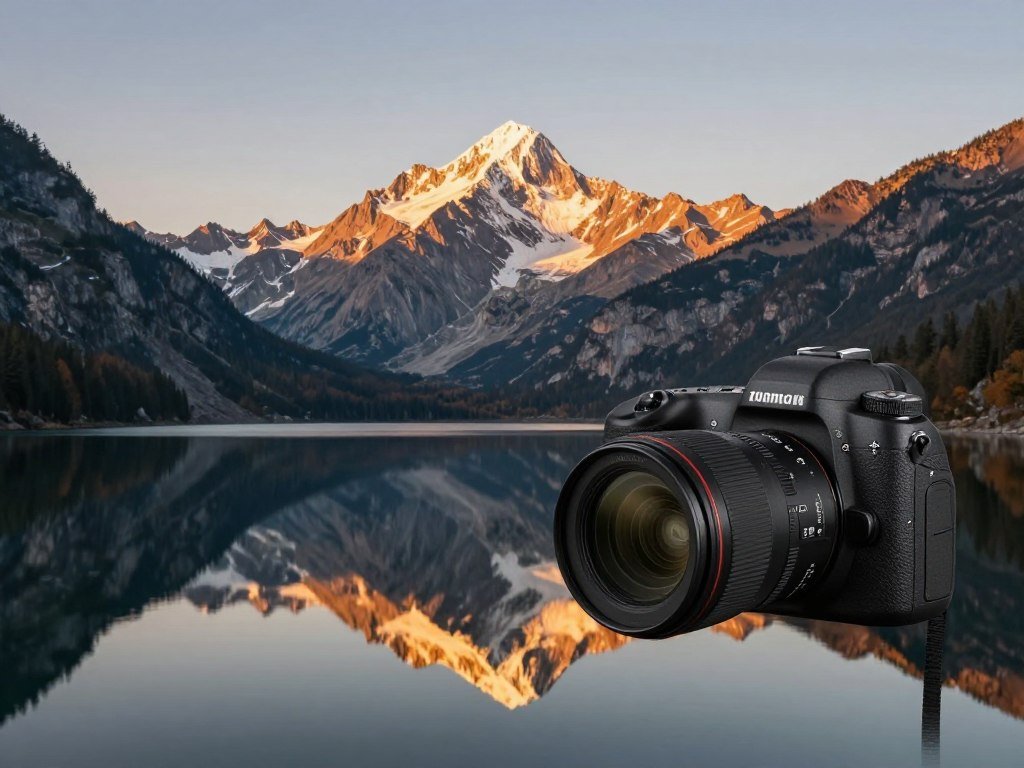
Landscape Photography
Key Features:
- High resolution sensor (24MP+)
- Good dynamic range
- Weather sealing
- Sturdy tripod mount
- Wide-angle lens compatibility
Recommended: Full-frame mirrorless or DSLR with weather sealing

Portrait Photography
Key Features:
- Good low-light performance
- Fast prime lenses (85mm f/1.8 ideal)
- Eye/face detection autofocus
- Pleasing skin tones
- Good bokeh rendering
Recommended: Full-frame or APS-C mirrorless with fast prime lens

Street Photography
Key Features:
- Compact, discreet size
- Fast autofocus
- Silent shooting mode
- Good high ISO performance
- Weather resistance
Recommended: Compact mirrorless or high-end point-and-shoot

Wildlife Photography
Key Features:
- Fast continuous shooting (8fps+)
- Excellent autofocus tracking
- Good telephoto lens options
- Weather sealing
- Decent battery life
Recommended: DSLR or mirrorless with telephoto lens (200mm+)
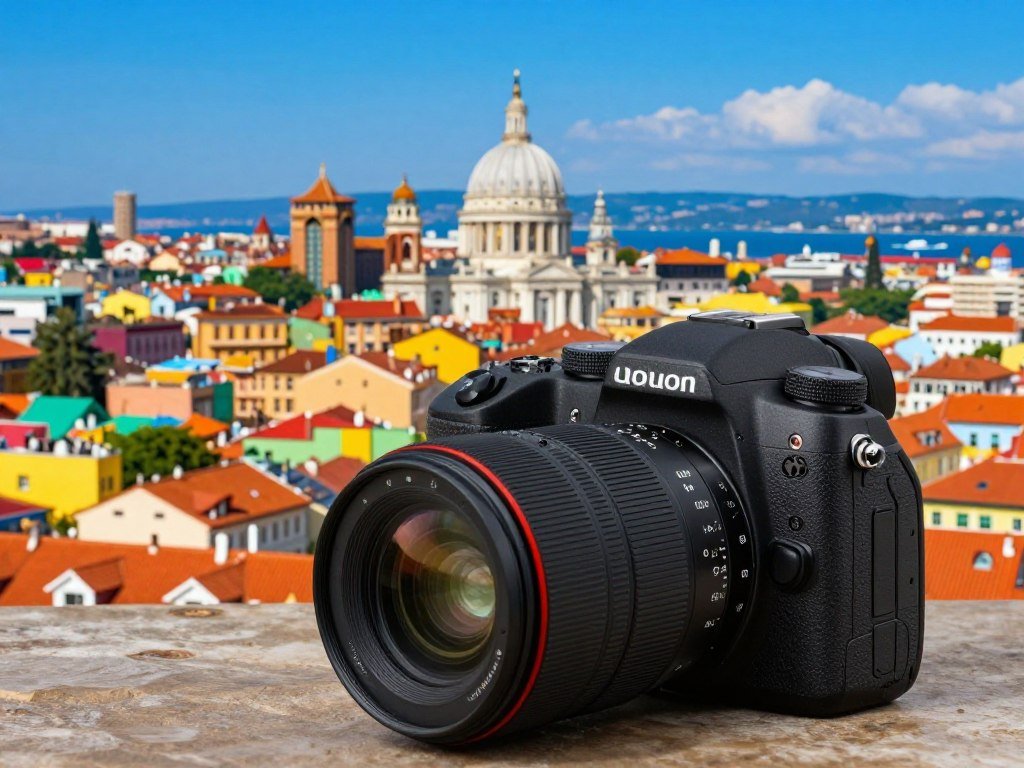
Travel Photography
Key Features:
- Lightweight and portable
- Versatile zoom range
- Good battery life
- In-body stabilization
- Weather resistance
Recommended: Compact mirrorless or advanced point-and-shoot

Macro Photography
Key Features:
- High resolution sensor
- Dedicated macro lens availability
- Good manual focus options
- Focus stacking capability
- Articulating screen
Recommended: Any interchangeable lens camera with dedicated macro lens
Additional Features to Consider
Beyond the core specifications, these additional features can significantly impact your shooting experience:
Connectivity Options
- Wi-Fi and Bluetooth: Enable remote control and wireless image transfer to smartphones
- NFC: Allows quick pairing with compatible devices
- USB Type: Newer USB-C connections offer faster transfer speeds and charging
- HDMI Output: Important for video monitoring or streaming
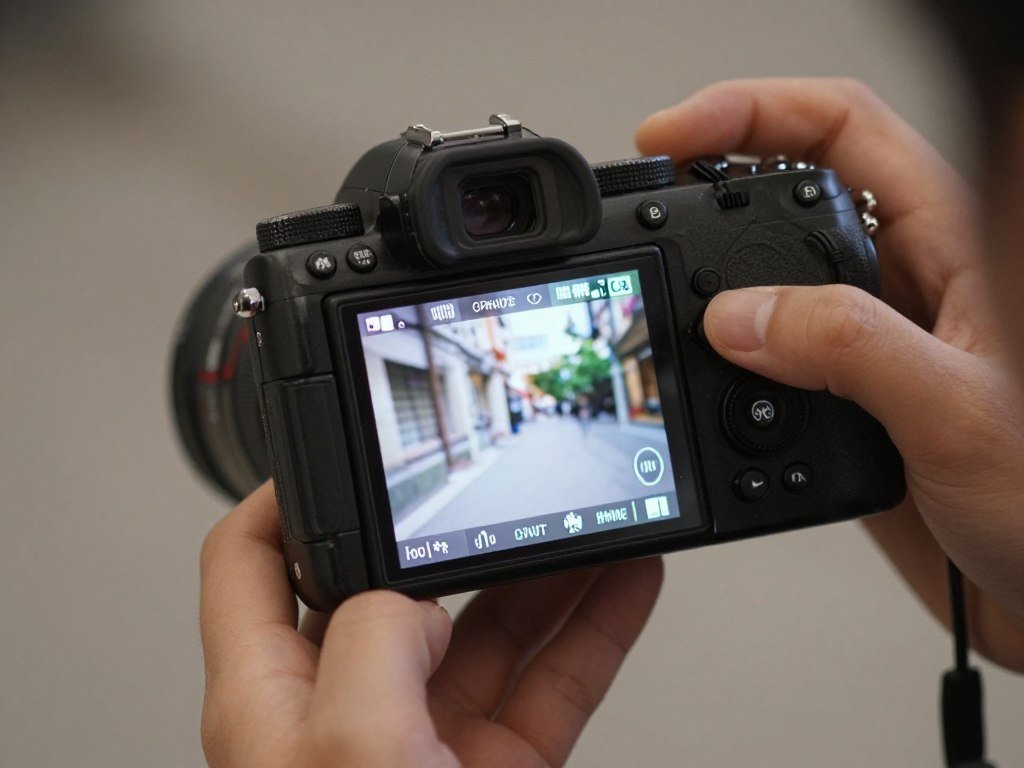
Battery Life
Battery performance is measured in shots per charge (CIPA rating). Consider:
- DSLRs typically offer 800-1500 shots per charge
- Mirrorless cameras average 300-700 shots
- For extended shooting, look for cameras that can be powered via USB
- Consider the cost and availability of spare batteries
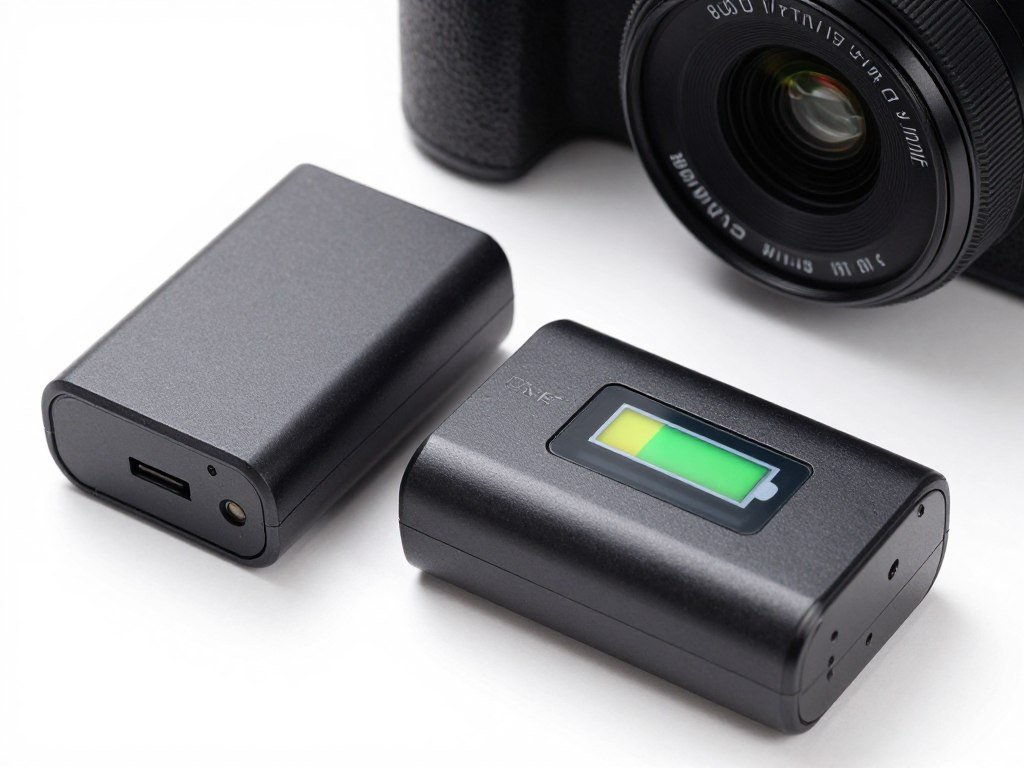
Weather Sealing
Weather sealing protects against moisture, dust, and extreme temperatures. Important for:
- Outdoor photography in unpredictable conditions
- Travel to humid, dusty, or cold environments
- Long-term durability and reliability
Note: Weather sealing varies by manufacturer and model. Check specific ratings and real-world tests.
Ergonomics and Handling
Often overlooked but crucial for comfortable shooting:
- Grip size and comfort
- Button placement and customization
- Menu system intuitiveness
- Weight distribution with different lenses
- Viewfinder size and clarity
Always try holding a camera before purchasing if possible.
Storage Options
- Card Types: SD, CF, XQD, CFexpress (faster cards needed for 4K video or burst shooting)
- Dual Card Slots: Provide backup or extended capacity
- UHS Speed Class: Higher classes (UHS-II, UHS-III) offer faster write speeds
Display and Viewfinder
- Touchscreen: Intuitive control and focus point selection
- Articulating Screen: Helpful for awkward angles and vlogging
- Electronic vs. Optical Viewfinder: EVFs show exposure preview; OVFs offer clearer view in low light
- Resolution: Higher resolution displays show more detail for focus checking
How to Test and Compare Cameras Before Purchase
Making an informed decision often requires hands-on experience with different cameras. Here’s how to effectively test and compare options:
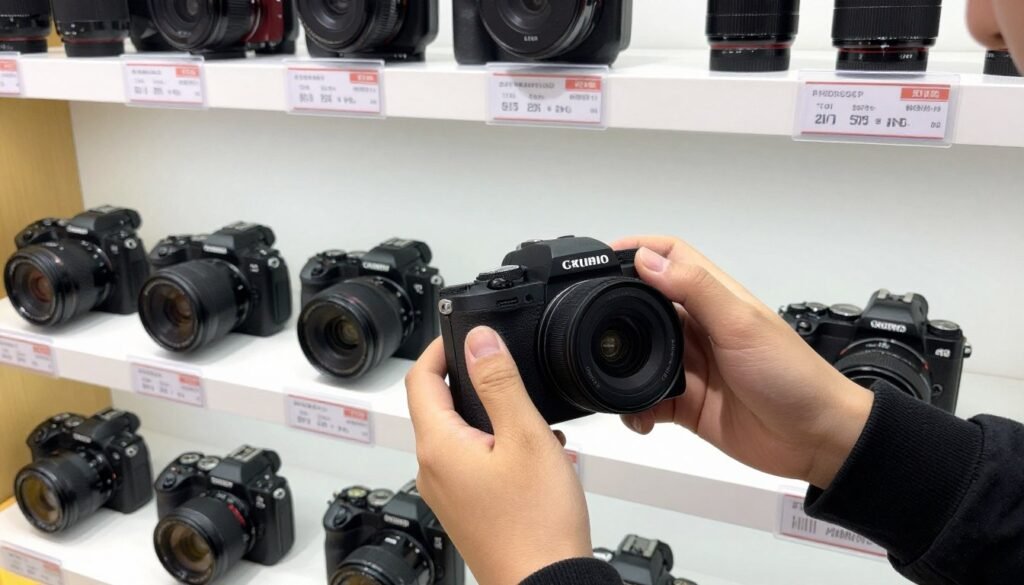
In-Store Testing Tips
- Ergonomics Check: Hold each camera with your most-used lens type. Pay attention to weight, grip comfort, and button accessibility.
- Menu Navigation: Try changing common settings like ISO, aperture, and focus modes. Is the interface intuitive?
- Viewfinder Experience: Look through the viewfinder in different lighting conditions. Is it bright and clear?
- Autofocus Test: Try focusing on both stationary and moving subjects. How quick and accurate is it?
- Image Review: Take test shots and review them on both the camera screen and a computer if possible.
Online Research Strategies
- Read reviews from multiple sources, focusing on reviewers who shoot similar subjects
- Look for sample images taken with the camera in conditions similar to what you’ll shoot
- Check user forums for long-term reliability reports and common issues
- Use comparison tools on photography websites to directly compare specifications
- Watch hands-on video reviews to see the camera in action
Pro Tip: Many camera stores offer rental services. Consider renting your top choices for a weekend to thoroughly test them in real-world conditions before committing to a purchase.
Key Comparison Points
| Feature | How to Test | What to Look For |
| Image Quality | Take identical shots with different cameras, examine at 100% zoom | Sharpness, color accuracy, noise levels, dynamic range |
| Autofocus | Test on moving subjects in different lighting conditions | Speed, accuracy, tracking ability, low-light performance |
| Handling | Use the camera for an extended period (30+ minutes) | Comfort, button placement, menu logic, customization options |
| Low Light | Take photos at increasing ISO values | Noise levels, detail retention, autofocus reliability |
| Battery Life | Use continuously until battery warning | Number of shots, video recording time, charging options |
Camera Recommendations by Experience Level
Based on current market offerings, here are some recommendations for different experience levels and budgets:
For Beginners
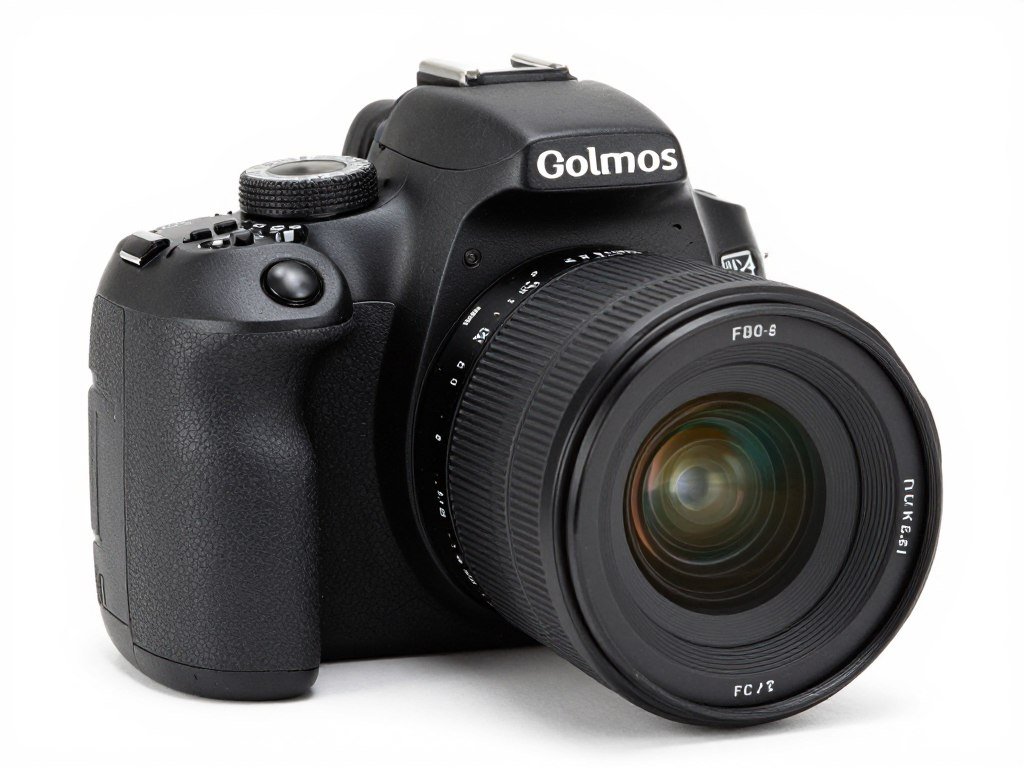
Entry-Level Options
- DSLR: Canon Rebel T8i, Nikon D3500
- Mirrorless: Sony a6000 series, Canon EOS M50 Mark II, Fujifilm X-T200
- Point-and-Shoot: Sony RX100 series, Canon PowerShot G7 X Mark III
Why They Work: User-friendly interfaces, automatic modes, affordable prices, good image quality, and room to grow as skills develop.
For Enthusiasts
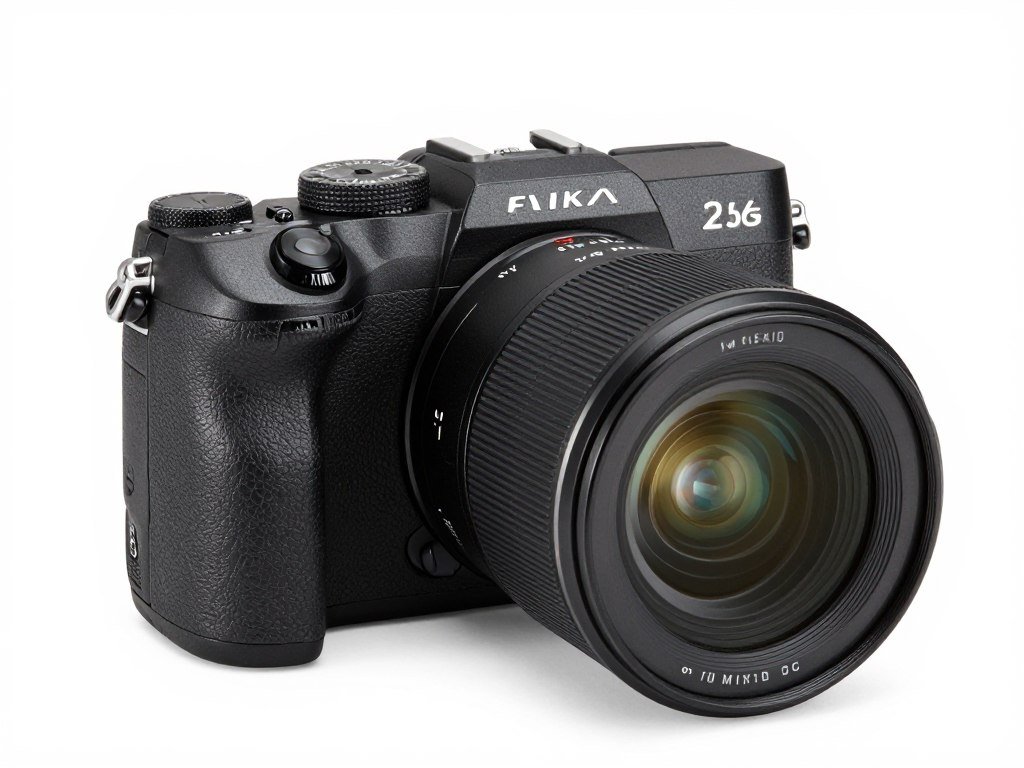
Mid-Range Options
- DSLR: Canon 90D, Nikon D7500
- Mirrorless: Sony a6600, Fujifilm X-T4, Canon EOS R7, Nikon Z50
- Compact: Ricoh GR III, Fujifilm X100V
Why They Work: Advanced features, better build quality, improved sensors, faster performance, and more customization options for those who understand photography fundamentals.
For Professionals
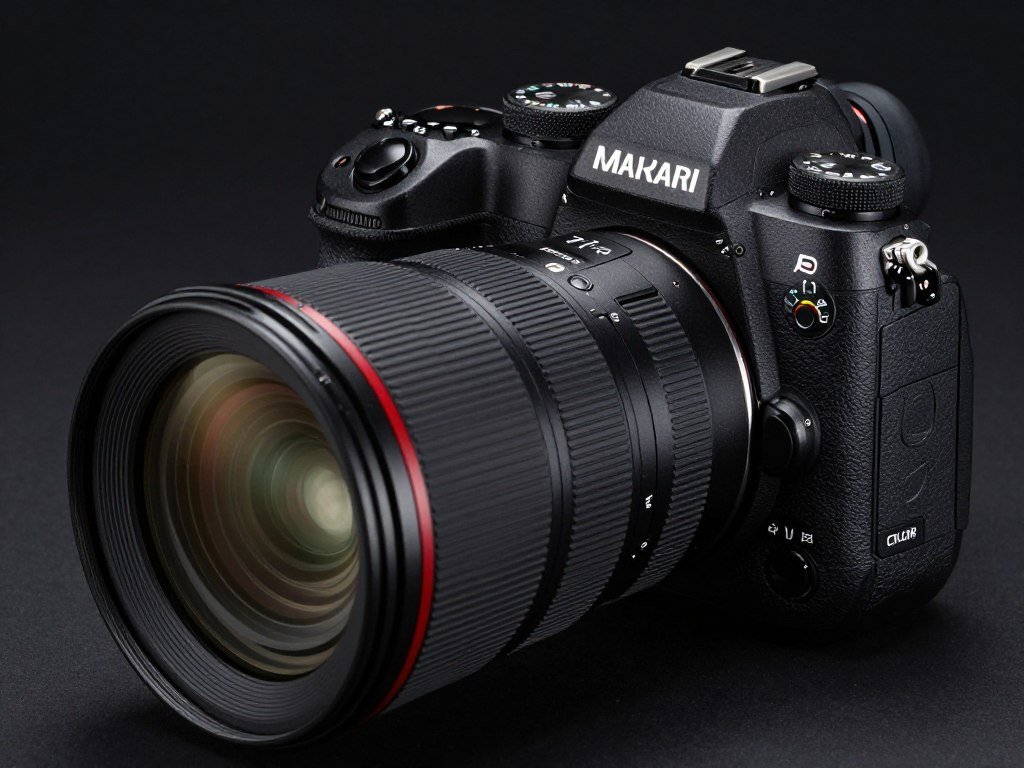
High-End Options
- DSLR: Canon 5D Mark IV, Nikon D850
- Mirrorless: Sony A7R V, Canon EOS R5, Nikon Z7 II
- Medium Format: Fujifilm GFX 100S, Hasselblad X2D
Why They Work: Exceptional image quality, durability, weather sealing, advanced autofocus systems, and professional support networks for those who earn income from photography.
Not sure which camera is right for you?
Take our free Camera Finder Tool and get a personalized recommendation in under 1 minute.
Making Your Final Decision
Choosing the right photo camera is ultimately a personal decision based on your specific needs, preferences, and budget. Here are some final considerations to help you make your choice:
Remember These Key Points
- The best camera is the one you’ll actually use regularly
- Consider the entire system (lenses, accessories) not just the body
- Try before you buy whenever possible
- Future-proof your purchase by considering upgrade paths
- Don’t get caught up in specifications that won’t impact your photography
Questions to Ask Yourself
- What will I primarily photograph?
- How important is portability?
- What’s my true budget, including lenses and accessories?
- Do I plan to shoot video as well as stills?
- How much am I willing to learn about photography?
Remember that cameras are tools, not magic wands. The photographer’s vision and skill will always matter more than the latest technology. Invest in learning photography fundamentals alongside your gear.
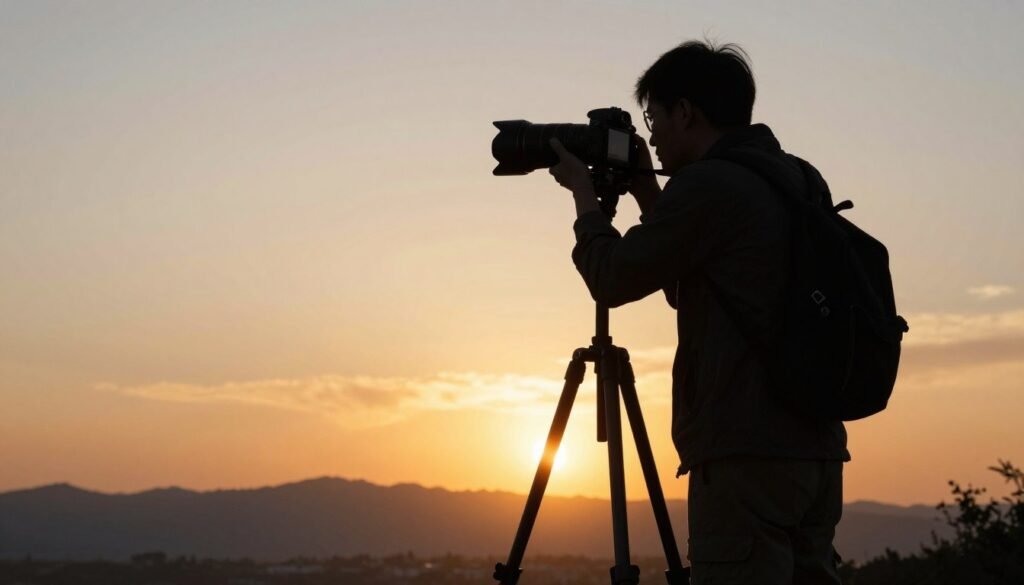
With the information in this guide, you’re now equipped to make an informed decision about which photo camera will best suit your needs and help you capture the images you envision. Happy shooting!
See our site about best traveling cameras
Frequently Asked Questions
Is a higher megapixel count always better?
Not necessarily. While higher megapixels allow for larger prints and more cropping flexibility, they can actually reduce image quality in some situations, especially in low light. For most photographers, anything between 16-24MP is more than sufficient. Sensor size and lens quality typically have a greater impact on image quality than megapixel count alone.
Should I buy a DSLR or mirrorless camera in 2023?
The industry is clearly moving toward mirrorless systems, with most manufacturers focusing their development efforts on mirrorless technology. Mirrorless cameras offer advantages in size, weight, video capabilities, and newer features. However, DSLRs still offer better battery life, an optical viewfinder, and often better value for money at entry-level price points. If you’re investing in a new system, mirrorless likely offers a better future upgrade path.
Are smartphone cameras good enough for serious photography?
Modern smartphone cameras are remarkably capable and can produce excellent results, especially in good lighting conditions. They’re perfect for casual photography and social media sharing. However, dedicated cameras still offer significant advantages in image quality, creative control, low-light performance, zoom capabilities, and specialized photography. The best camera is the one you have with you, but if you’re serious about photography as a hobby or profession, a dedicated camera offers capabilities that smartphones can’t match.
How important is brand when choosing a camera?
Brand loyalty matters less than finding the right tool for your needs. Each manufacturer has strengths and weaknesses. Canon and Nikon offer the widest range of lenses and accessories. Sony leads in autofocus technology and sensor performance. Fujifilm excels in color science and retro design. Olympus and Panasonic offer compact Micro Four Thirds systems. Consider the entire ecosystem, including lens selection, rather than just the brand name.
Should I buy new or used camera equipment?
Buying used equipment from reputable sources can offer excellent value. Camera bodies depreciate quickly as new models are released, but their image quality remains excellent for years. Lenses hold their value better and often remain current for many years. When buying used, look for sellers with return policies, check for sensor dust or damage, verify shutter count (for DSLRs), and test all functions. Reputable camera stores often sell used gear with limited warranties for peace of mind.